Win Back Your Wallet: Outsmart the Biases Sabotaging Your Money

Today we explore overcoming behavioral biases that derail saving and spending, translating research into everyday wins you can feel this week. Expect relatable stories, practical nudges, and a kind, step-by-step path toward calmer decisions, steadier progress, and money habits that finally stick. Stick around, ask questions, and share your reflections, because your experience can inspire someone who needs a hopeful nudge right now.

The Mind’s Shortcuts and How They Nudge Your Cash

Our brains save energy with shortcuts that quietly steer choices at the register and inside budgeting apps. Present bias magnifies today’s pleasures, loss aversion overprotects the status quo, and mental accounting mislabels money into restrictive buckets. Recognizing these patterns is empowering, not shaming. When you can name the influence, you can negotiate with it. We will translate decades of behavioral science into warm, practical advice so you can spend intentionally, save consistently, and build momentum without feeling deprived or overwhelmed.

A One-Week Truthful Spending Log

For seven days, jot purchases plus context: time, place, mood, and who you were with. Add a quick intention check—was this for comfort, convenience, or progress? The goal is clarity, not guilt. Patterns usually jump out by day four. You might discover predictable windows of impulsivity or boredom clicks. Use that insight to design specific countermeasures that respect your energy, such as pre-packed snacks, pre-decided limits, or timed checkout holds that cool emotional heat.

Trigger Mapping for Costly Moments

Map three consistent triggers: maybe scrolling after 10 p.m., waiting in lines, or post-meeting fatigue. Pair each with a pre-planned detour that feels kind and achievable. If the trigger appears, the detour activates automatically. You will shift from wrestling with willpower to following a small script. Over time, these scripts become effortless habits that protect your goals without endless debate. Share your top trigger in the comments and borrow detours from others for fresh ideas.

A Personal Bias Baseline You Can Revisit

Create a quick checkpoint: Which bias shows up most for you right now—present bias, loss aversion, or mental accounting? Note a one-sentence example and a one-sentence counter. Revisit monthly to watch shifts. This turns self-awareness into a flexible dashboard rather than a verdict. When life changes, so will your dominant bias. A simple baseline keeps your strategy current, compassionate, and targeted where it delivers the most meaningful and motivating progress.

Commitments That Lock in Good Choices

Commitment devices transform intentions into defaults. Auto-transfer savings on payday, schedule bill-pay two days early, and set card limits for categories that frequently tempt you. Even gentle constraints reshape outcomes. Pair each commitment with a visible confirmation—like a calendar checkmark or progress bar—so your brain receives a satisfying reward right away. When your environment quietly enforces priorities, you stop negotiating during vulnerable moments and start experiencing calm, reliable growth that feels supportive rather than restrictive.

Friction for Impulses, Ease for Priorities

Increase steps for purchases you regret—remove saved cards, disable one-click buying, and require a 24-hour waitlist. Meanwhile, decrease steps for priorities—bookmark your savings transfer, pre-load grocery lists, and pin your budget view to your phone’s home screen. Friction and ease work like valves, redirecting motivation. You are not banning fun; you are shaping momentum. Share one friction you will add tonight and one ease you will create, then notice how decisions soften tomorrow.

Separate Buckets with Names That Matter

Rename accounts with emotionally resonant labels: “Safety for My Family,” “Freedom Fund,” or “Sabbatical Spring.” Emotion reminds your brain why saving matters now, not someday. Separate buckets curb accidental overspending and make progress visible. If priorities change, update names and targets without shame. The goal is meaning, not perfection. When each transfer reinforces identity and purpose, your daily choices align naturally, and the satisfaction of inching closer replaces the rush that once fueled impulse buys.

Make the Future Feel Close and Worth Fighting For
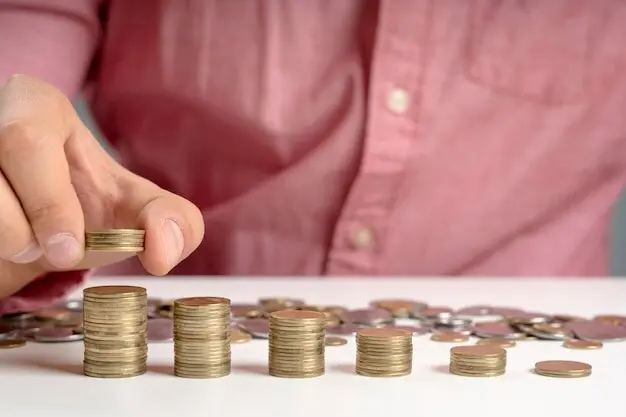
Your mind discounts the future because it feels abstract. Bring tomorrow into high resolution with visual cues, stories, and small, timely rewards. When your future self becomes someone you recognize and care about, protecting them starts feeling generous rather than dutiful. This shift reduces procrastination and supports steadier saving. We will use images, letters, and milestone rituals to build emotional proximity so thoughtful choices feel rewarding today, without requiring perfection or endless restraint.

The Student Who Outsmarted Flash Sales
Nina loved limited-time merch drops and felt defeated after every unplanned purchase. She added a 24-hour rule, removed saved cards, and created a “Studio Upgrade” savings bucket with a campus map photo. Present bias softened because the future felt visible. Each avoided impulse triggered a tiny transfer. In three months, she bought a refurbished microphone guilt-free. Her reflection: “I didn’t quit fun. I redirected excitement toward something that keeps helping me every day.”

A New Parent Rebuilt Emergency Reserves

Jordan and Sam felt constant pressure to buy baby gadgets. Loss aversion made discounts irresistible. They reframed each skipped deal as a win for “Quiet Nights Fund,” an account with a soothing nighttime photo. They posted weekly balances on the fridge to reward progress immediately. When a surprise medical bill arrived, reserves handled it. Their note to themselves read, “This peace is better than any coupon.” They now repeat a gentle mantra: “Secure first, shiny later.”

A Freelancer Tamed Irregular Income

Kai’s feast-or-famine cycles fueled mental accounting mistakes—splurging in fat months and freezing during lean ones. They switched to a monthly “salary” from a buffer account, auto-splitting deposits: taxes, essentials, and a Freedom Fund. Friction increased for discretionary buys, while savings moved automatically. After four invoicing cycles, volatility felt less scary. Kai wrote, “I finally spend like a calm person with a plan, not a panicked contractor chasing dopamine. Small rails made the rollercoaster manageable.”

Your 30-Day Bias Busting Challenge

Run the one-week log, map three triggers, and name your top bias with a single example. Keep judgment out and curiosity in. End the week with a ten-minute review to highlight two quick wins and one stubborn pattern. Share your findings with a friend or in the comments to build friendly accountability and collect practical ideas from others walking this same path toward calmer, kinder money decisions.
Automate at least one savings transfer, rename a goal account with emotional language, and add friction to your biggest impulse category. Place a visual cue near a frequent decision point. Save confirmations and screenshots in a folder titled “Proof I Can.” Reward each completed step with a planned, low-cost treat. The goal is not dramatic overhaul; it is tilting your environment so good choices become the easy, almost automatic option.
Keep the systems running while you test tiny improvements. Try public promises with a buddy, set one micro-deadline each week, and celebrate streaks. Track mood alongside money to notice emotional drift. When you stumble, practice a one-step recovery rather than an all-or-nothing reboot. Post your best nudge and one lesson learned, then invite others to borrow it. By day thirty, your wallet will reflect thoughtful design, not endless willpower battles.
Kirapentopexi
Privacy Overview

This website uses cookies so that we can provide you with the best user experience possible. Cookie information is stored in your browser and performs functions such as recognising you when you return to our website and helping our team to understand which sections of the website you find most interesting and useful.